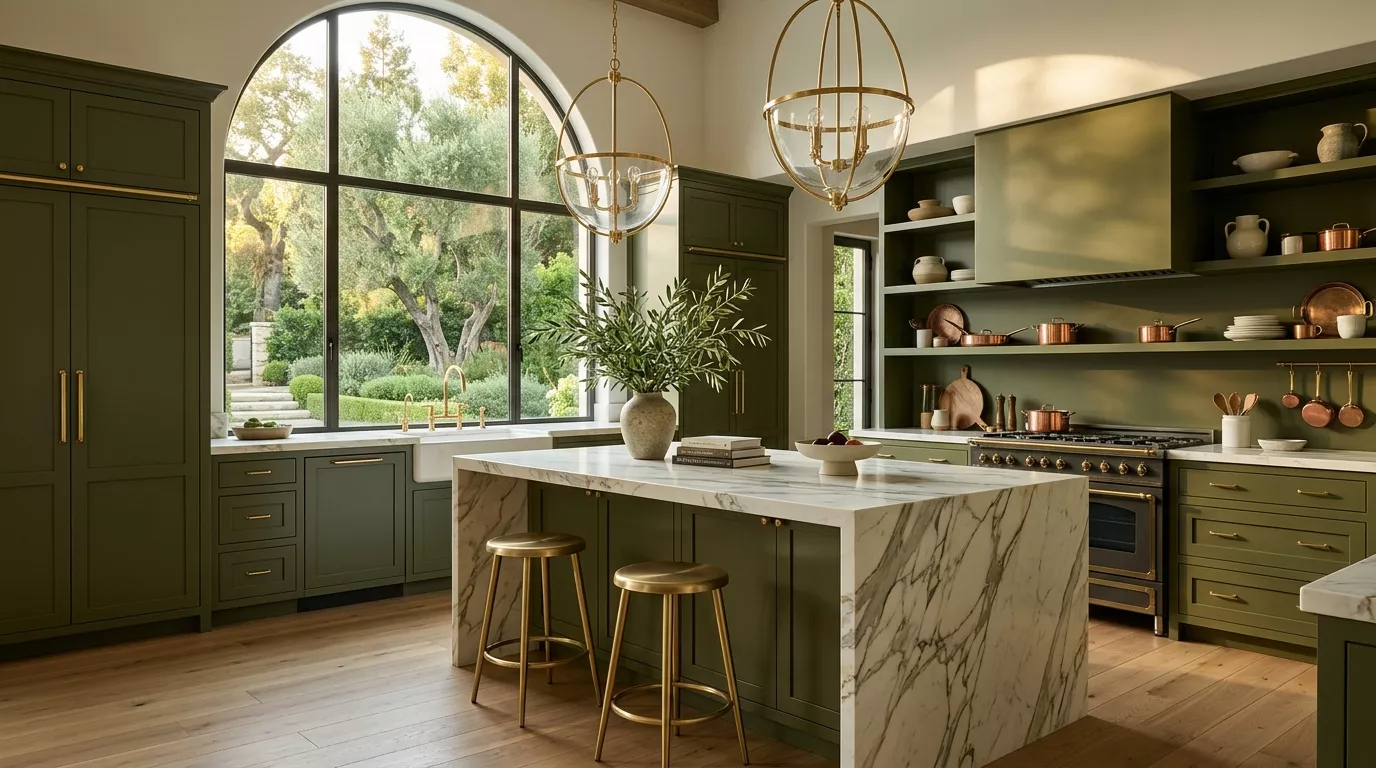
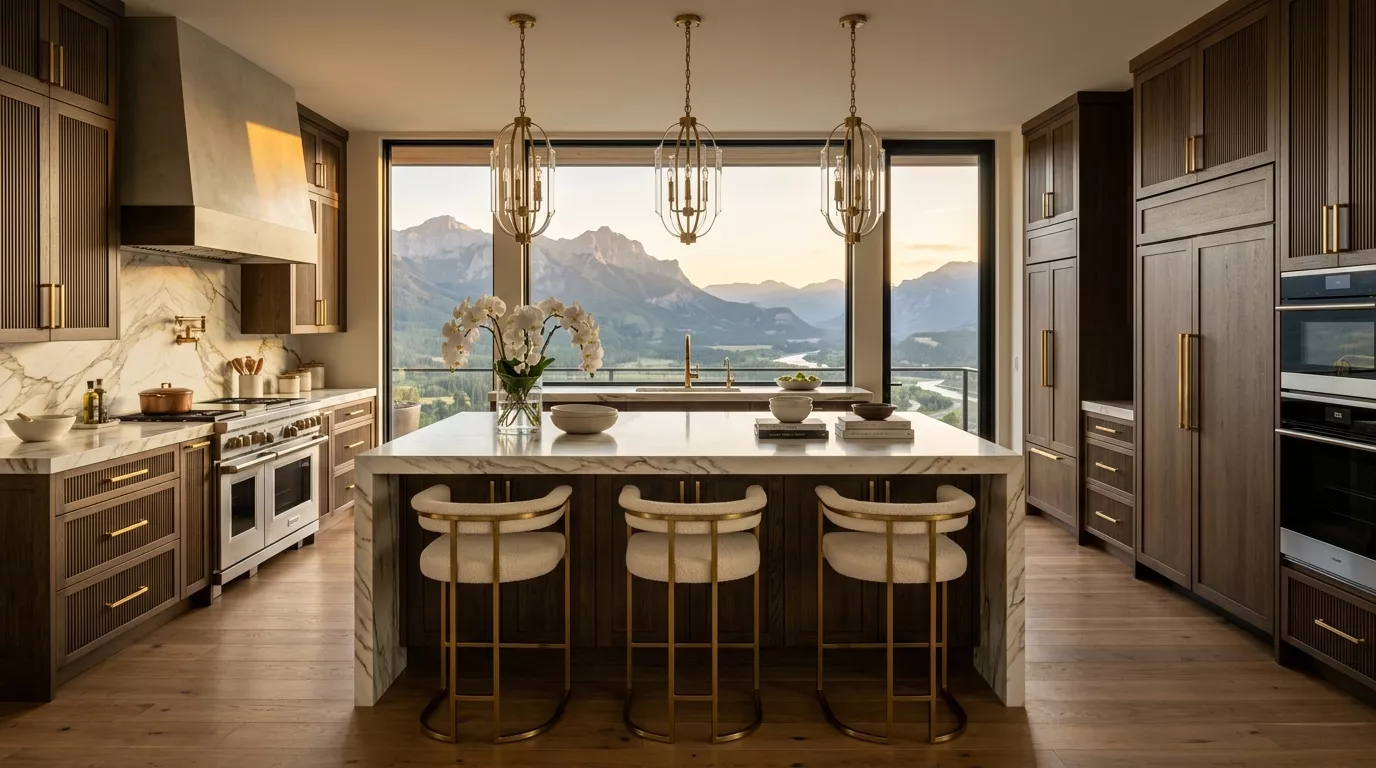
Greige Kitchen Ideas for a Warm Modern Look

Greige Kitchen Ideas for a Warm, Modern Look

Picking a kitchen color can feel like a bigger decision than it should be, which is exactly why greige kitchen ideas have become such a go-to solution. Greige blends the cleanness of gray with the warmth of beige, giving you a palette that doesn’t fight with your countertops, flooring, or hardware.
It’s especially popular in kitchens because this is a room people actually live in — cooking, gathering, cleaning up — and a too-cold gray or too-yellow beige can start to feel off after a while. Greige tends to avoid both problems.
In this guide, I’ll cover how to choose the right shade, where to use it in your kitchen, and how to avoid the small missteps that can make a greige kitchen look flat instead of warm and inviting.
Why Greige Works So Well in Kitchen Design
Kitchens deal with more lighting changes, more wear, and more daily use than almost any other room in the house. Greige holds up well under all of that.

Here’s why it’s become such a popular choice for cabinets, walls, and islands alike:
- It pairs with both warm and cool metals, so you’re not locked into brass or chrome from the start.
- It hides daily wear better than stark white, including fingerprints, water spots, and light scuffs.
- It works with almost any countertop material, from white quartz to warmer butcher block.
- It transitions smoothly into open-concept spaces, since it’s neutral enough to flow into adjoining living or dining areas.
Choosing the Right Greige Shade for Your Kitchen
Just like with any neutral, the undertone of your greige matters far more than the name on the paint can.

| Greige Type | Undertone | Best For |
|---|---|---|
| Warm Greige | Beige-forward, soft tan | Kitchens with limited natural light |
| Balanced Greige | Equal gray and beige | Most standard kitchens |
| Cool Greige | Gray-forward, slight blue | Bright kitchens, modern styles |
| Deep Greige | Darker, richer saturation | Kitchen islands, lower cabinets |
Before committing to a full cabinet repaint, test a sample on a cabinet door or a large poster board and observe it under your kitchen’s actual lighting, both day and night.

Where to Use Greige in the Kitchen
Greige doesn’t have to cover every surface to make an impact. In fact, it usually looks better when it’s intentional rather than everywhere.
- Upper and lower cabinets: The most common application, especially in a soft or balanced greige.
- Kitchen island: A deeper greige island creates contrast against lighter perimeter cabinets without clashing.
- Walls and backsplash area: Greige paint above the counters ties the room together without competing with tile.
- Open shelving: Greige-painted shelving backs make displayed dishes and glassware stand out more clearly.
- Pantry doors: A greige pantry door, especially paneled, adds subtle texture without a big commitment.

Step-by-Step Guide to Designing a Greige Kitchen
Whether you’re renovating fully or just refreshing a few elements, this order keeps the process simple and avoids costly do-overs.
Step 1: Decide your greige undertone first. Choose warm, balanced, or cool greige before selecting countertops or hardware, since everything else should be chosen to match it.
Step 2: Test your sample in real kitchen lighting. Kitchens often combine natural light, overhead lighting, and under-cabinet lighting, all of which can shift how greige reads throughout the day.
Step 3: Choose your countertop material. Decide whether your countertop will contrast with the greige (like white quartz) or blend with it (like a warmer greige-toned stone).
Step 4: Select your backsplash. A simple white or cream subway tile lets greige cabinets stand out, while a greige-toned tile creates a more monochromatic, calming look.

Step 5: Pick your hardware and fixture finish. Brushed brass, matte black, or brushed nickel all work with greige, but the undertone of your greige should guide which one feels most natural.
Step 6: Add wood or natural texture. A wood island top, open shelving, or bar stools bring warmth that paint alone can’t fully achieve.
Step 7: Step back and adjust contrast. Once everything is in place, make sure there’s enough contrast between cabinets, countertops, and flooring so nothing blends into a flat, monotone look.
Greige Kitchen vs. White Kitchen
White kitchens have been a long-standing favorite, so it’s worth comparing them directly to greige before deciding.

| Factor | Greige Kitchen | White Kitchen |
|---|---|---|
| Mood | Warm, soft, grounded | Bright, crisp, clean |
| Maintenance Appearance | Hides marks and scuffs well | Shows fingerprints and stains more easily |
| Lighting Flexibility | Works in both warm and cool light | Best in bright, well-lit kitchens |
| Resale Appeal | Broad, neutral, currently in demand | Classic, consistently popular |
| Styling Range | Pairs with most metals and woods | Slightly more limited with warm metals |
| Risk of Feeling Dated | Low, especially balanced greige | Low, but can feel sterile without warmth |
Both options are safe, long-term choices. Greige tends to feel cozier day-to-day, while white tends to feel brighter and more traditional.

Pros and Cons of a Greige Kitchen
Like any major color decision, greige comes with real trade-offs worth knowing upfront.
Pros:
- Pairs easily with both warm and cool metal finishes
- Hides everyday kitchen wear better than stark white
- Works with a wide range of countertop and flooring materials
- Feels warmer and more inviting than a strictly gray palette
- Strong resale value due to its broad neutral appeal
Cons:
- Matching exact shades across cabinets, walls, and tile can be tricky
- Can look muddy if the undertone clashes with your lighting
- Some warm greiges may shift pink or lavender under certain bulbs
- Requires more swatch-testing than a standard white or cream
- Slightly less “fresh” feeling compared to a bright white kitchen

Countertop and Backsplash Pairings
Quartz Countertops
White or light gray quartz with subtle veining is one of the most forgiving countertop choices for a greige kitchen, since it complements nearly any undertone.
Marble-Look Porcelain
For a softer, more organic look, marble-look porcelain in cream or soft gray pairs beautifully with warm greige cabinets without the maintenance of real stone.
Subway Tile Backsplash
A classic white subway tile backsplash creates gentle contrast against greige cabinets, while a greige-toned subway tile leans into a more tonal, calming look.

Cabinet Hardware and Fixture Finishes That Pair Well
The metal finishes you choose can shift the entire feel of a greige kitchen, sometimes more than the paint color itself.
- Brushed brass: Adds warmth and pairs especially well with warm or balanced greige.
- Matte black: Creates bold contrast and suits more modern, cooler greige kitchens.
- Brushed nickel: A safe, versatile option that works across almost any greige undertone.
- Unlacquered brass: Develops a soft patina over time, which complements the organic feel of warm greige beautifully.
Tips for a Polished Greige Kitchen
A few small details go a long way toward making the final result feel cohesive.
- Test paint and cabinet samples under your kitchen’s actual lighting, not just in a showroom.
- Keep grout color close to your backsplash tile to avoid visual breaks in a greige kitchen.
- Add at least one wood element, like open shelving or bar stools, to soften the palette.
- Use warm white bulbs (2700K–3000K) under cabinets and overhead to keep greige from looking flat.
- Choose one accent color, like sage green or navy on an island, to add personality without overwhelming the neutral base.

Common Mistakes to Avoid
A few predictable missteps can throw off an otherwise great greige kitchen.
- Skipping the lighting test. A greige that looks perfect on a paint chip can shift cooler or warmer once it’s under your kitchen’s specific lighting.
- Mixing mismatched undertones. Pairing warm greige cabinets with cool gray countertops often creates a clash that’s difficult to fix later.
- Going too flat with no contrast. A kitchen with greige cabinets, greige walls, and greige countertops can start to feel monotone without some variation.
- Forgetting texture. Smooth cabinets and flat paint alone can look one-dimensional without wood, stone, or metal accents.
- Choosing hardware before settling on the greige shade. Picking metal finishes too early can lock you into an undertone that doesn’t quite match.
Greige Kitchen Ideas by Style

Greige adapts well to different kitchen aesthetics, but the supporting details should shift depending on which style you’re going for.
Modern Farmhouse: Pair greige shaker cabinets with a white apron-front sink, brushed brass hardware, and open wood shelving. A black-framed window over the sink adds the classic farmhouse contrast without straying from the neutral palette.
Transitional: This is where greige shines most naturally. Combine greige cabinets with a white marble-look backsplash, brushed nickel hardware, and simple paneled cabinet doors for a look that feels both classic and current.
Contemporary: Lean into a cooler greige with flat-panel cabinets, matte black hardware, and a waterfall quartz island edge. Keep backsplash tile minimal or skip it entirely in favor of a continuous quartz slab.
Traditional: Choose a warmer, deeper greige on lower cabinets with a lighter greige or cream on uppers. Pair with raised-panel doors, oil-rubbed bronze hardware, and a patterned tile backsplash for added detail.

Flooring Pairings That Work Well with Greige
Flooring sits right alongside your cabinets in terms of visual weight, so it’s worth choosing carefully.
- Light oak or white oak flooring: Adds warmth and contrast against both warm and cool greige cabinets.
- Gray-toned luxury vinyl plank: A budget-friendly option that complements cooler greige tones especially well.
- Large-format porcelain tile: Works beautifully in modern greige kitchens, particularly in soft gray or warm taupe shades.
- Dark walnut flooring: Creates striking contrast against lighter greige cabinetry, ideal for a more dramatic, layered look.
As a general rule, keep at least one element — flooring, countertop, or backsplash — noticeably lighter or darker than your cabinets so the kitchen doesn’t read as one flat block of color.

How Lighting Affects Greige in the Kitchen
Kitchens often combine more types of lighting than any other room — natural daylight, overhead fixtures, pendant lights, and under-cabinet strips. Each of these can shift how your greige reads.
- Under-cabinet lighting: Warm white bulbs (2700K–3000K) enhance the beige undertone in greige cabinets, while cooler bulbs can make them look slightly gray or even green.
- Pendant lighting over an island: Since pendants sit closer to eye level, their color temperature has an outsized effect on how a greige island appears in everyday use.
- North-facing kitchens: These tend to receive cooler natural light, which can pull a balanced greige toward gray, so a slightly warmer shade often compensates well.
- South or west-facing kitchens: Abundant warm natural light can make even a cool greige look softer and more inviting by late afternoon.
If you’re choosing between two similar greige samples, it’s worth viewing both at different times of day, including at night under your kitchen’s artificial lighting, before making a final decision.

Final Thoughts
Greige kitchen ideas offer a rare middle ground in kitchen design — warm enough to feel welcoming, neutral enough to stay timeless, and flexible enough to pair with nearly any style you already love. It’s not about playing it safe; it’s about choosing a palette that won’t fight you five years from now.
The key is getting the undertone right for your specific lighting, then layering in texture through wood, stone, and metal so the room feels finished rather than flat. Once that foundation is in place, the rest of the kitchen comes together easily.
If you’ve been torn between white and gray, greige might be the answer you didn’t know you were looking for. Grab a few samples, test them in your own kitchen light, and see how much warmer the space feels.
FAQs
1. Is greige still a good choice for kitchens?
Yes. Greige has remained popular for years because it’s flexible enough to pair with almost any countertop, flooring, or hardware choice, which keeps it from feeling trend-locked.
2. What’s the best greige shade for a kitchen with little natural light?
A warm, beige-forward greige tends to work best in low-light kitchens, since cooler greiges can read as flat or slightly dull without sunlight to balance them.
3. Do greige kitchens work with white countertops?
Yes, this is one of the most popular and forgiving combinations, since white or light quartz countertops create gentle contrast against almost any greige undertone.
4. What hardware finish looks best with greige cabinets?
Brushed brass and matte black are both popular choices, though the right pick depends on whether your specific greige leans warmer or cooler.
5. Can I paint only my kitchen island greige and keep the rest of the cabinets white?
Absolutely — a greige island paired with white perimeter cabinets is a popular way to add contrast without committing to a full cabinet repaint.
6. How do I avoid a muddy-looking greige kitchen?
Test your exact paint and cabinet samples under your kitchen’s real lighting before committing, since the wrong combination of undertone and lighting is the most common cause of a muddy look.
7. Is greige a good long-term investment for resale value?
Generally yes, since it’s a broadly neutral color that appeals to a wide range of buyers and pairs easily with nearly any future countertop or flooring update.